

Hanoi, 15 September 2026 – The Electricity Authority of Viet Nam (EAV) under the Ministry of Industry and Trade (MOIT), in collaboration with the EU – Viet Nam Sustainable Energy Transition (EVSET) Facility, organised a consultation workshop to review and finalise an analysis of Viet Nam’s historical electricity consumption from 2000 to 2024 and forecasts of electricity demand and load profiles through 2050.
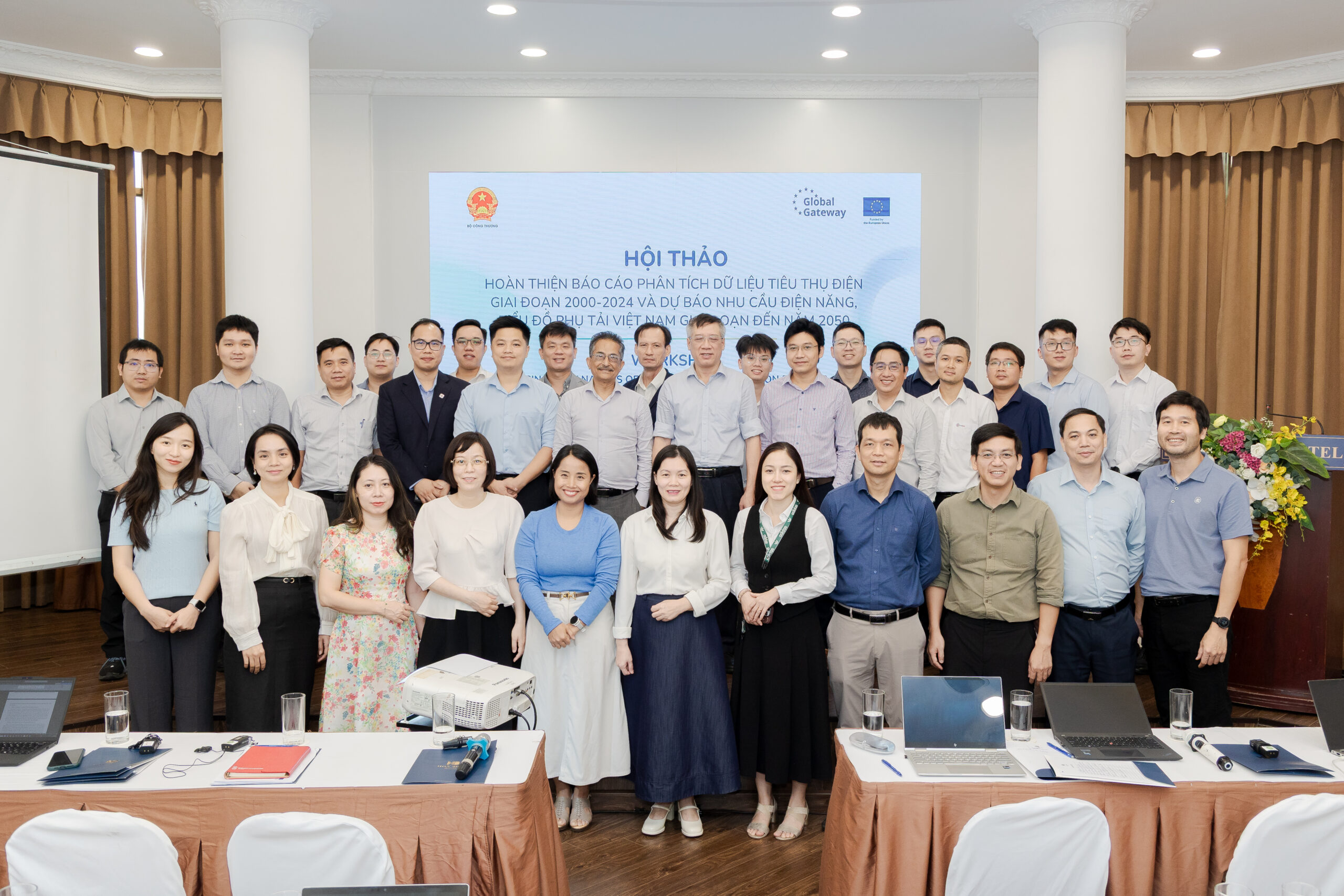
The workshop brought together 40 participants from EAV, Viet Nam Electricity (EVN), the National Power System and Market Operation Company (NSMO), the Institute of Energy, power corporations and other relevant organisations involved in electricity demand and load forecasting. It provided an opportunity for participants to review the study’s findings, exchange technical perspectives and provide comments to further refine the analysis and forecasts before their finalisation. The workshop was opened by EAV representative, Mr. Nguyen Hong Minh, Deputy Head of Power System and Market Division and Ms. Tran Thuy Duong, Programme Manager – Sustainable Energy at the Delegation of the European Union to Viet Nam highlighted the importance of strengthening the analytical basis for long-term electricity demand and load profiles to support effective power system planning and operation and Viet Nam’s sustainable energy transition.
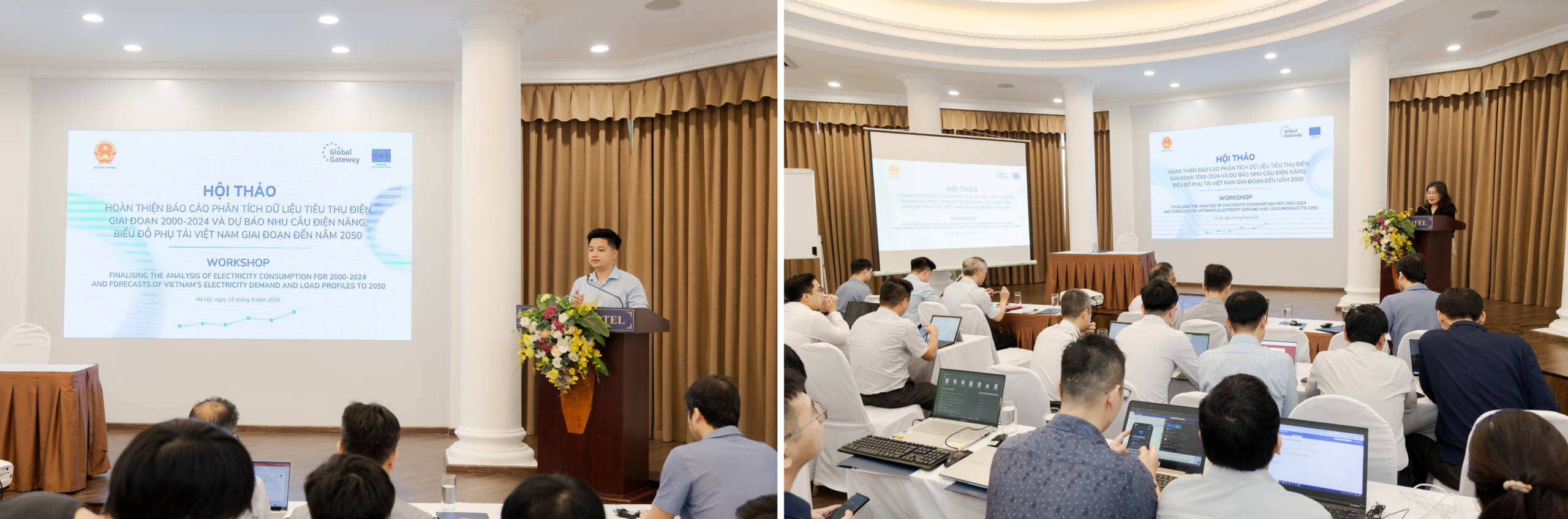 Mr. Nguyen Hong Minh and Ms. Tran Thuy Duong deliver opening remarks at the workshop.
Conducted with the support from the EVSET Facility, the study responds to the growing importance of understanding how Viet Nam’s electricity demand and consumption patterns could evolve as the country pursues its net-zero emissions commitment by 2050. In addition to continued growth in electricity consumption, the power system is expected to face changes in the scale and characteristics of demand resulting from the increasing electrification of sectors such as transport and industry, as well as the growing deployment of distributed energy resources such as rooftop solar. These developments may significantly affect electricity demand patterns and system load profiles, creating new requirements for power system planning and operation.
The study aims to provide EAV and relevant energy-sector institutions with more insight into the drivers behind electricity demand growth and changes in load profiles. It analyses historical consumption trends and supports forecasts of future electricity demand by major consumption sectors, including agriculture, industry, commercial, residential, transport and other sectors. The study also examines future load profiles for the overall power system and key consumption sectors, helping provide an analytical basis for anticipating the implications of Viet Nam’s energy transition for the power system.
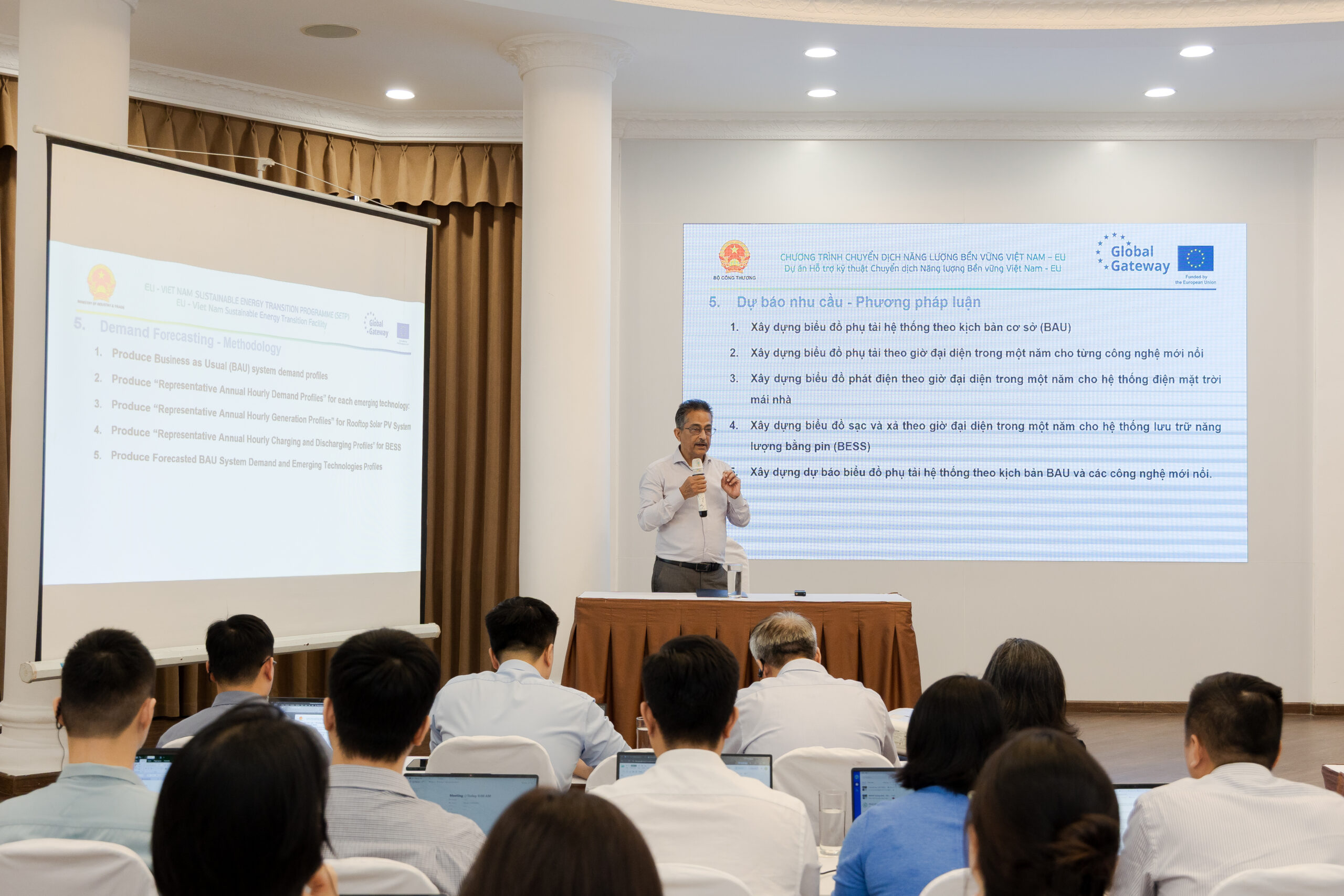
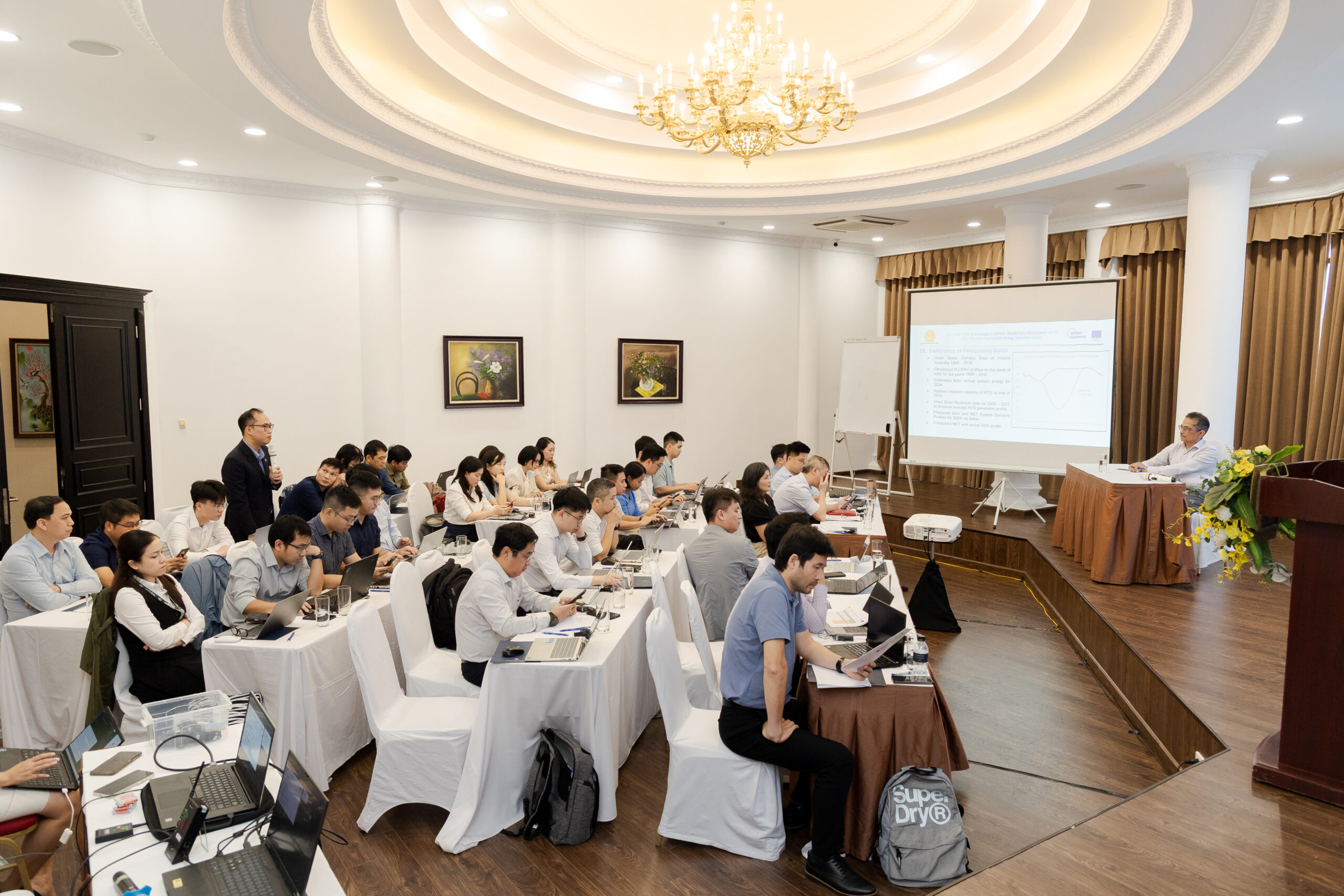
During the workshop, the study team presented the analysis of electricity consumption data for the 2000–2024 period, followed by the results of electricity demand and load profile forecasts through 2050. Participants discussed the assumptions, methodologies, input data and findings, and provided technical feedback on areas for further refinement. Another session of the workshop focused on the forecasting tool developed under the assignment, including its input data and key functions, with hands-on sessions enabling participants to explore its practical application.
The workshop’s feedback will contribute to the finalisation of the study reports and forecasting tool. By strengthening the analytical foundation for understanding future electricity consumption and load patterns, the EU-supported activity is expected to provide useful inputs for power system planning and operation, electricity market development, tariff design and other related energy-sector planning and policy processes as Viet Nam advances towards its long-term energy transition and net-zero objectives.
The activity is part of the European Union’s support to Viet Nam under the EU–Viet Nam Sustainable Energy Transition Programme (SETP), which provides EUR 142 million in grant funding and contributes to the country’s transition towards a cleaner, more sustainable and resilient energy system.
Views: 10
